
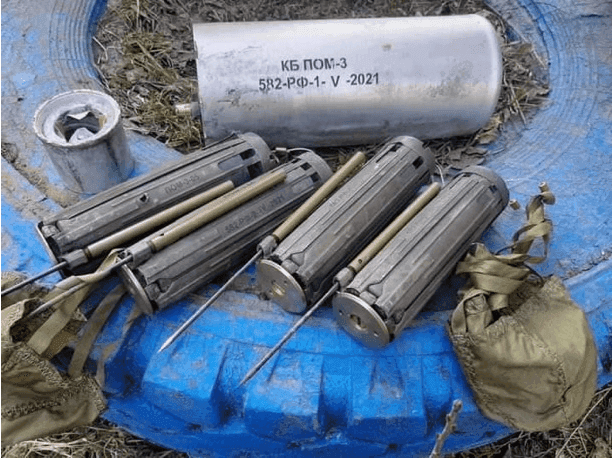
Ukraine: Russia Uses Banned Antipersonnel Landmines
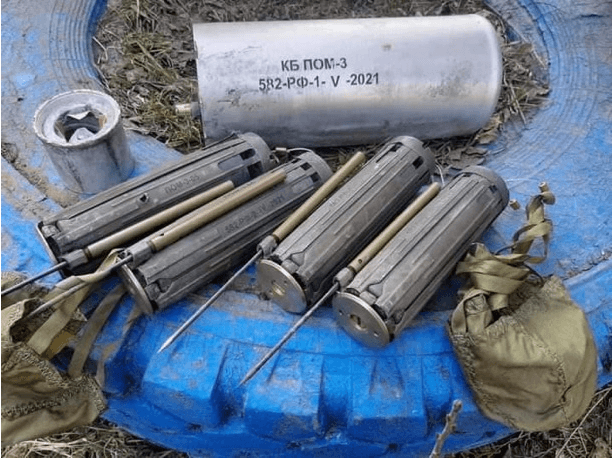
Russian forces fighting in Ukraine have used banned antipersonnel mines in the eastern Kharkiv region. This is a serious violation of international law and a threat to civilians.
Antipersonnel mines are designed to kill or injure people. They are often buried in the ground and can be detonated by stepping on them or by driving over them. Antipersonnel mines can remain active for years, even after a conflict has ended.
Russia is not a party to the Mine Ban Treaty, which comprehensively bans the use, production, stockpiling, and transfer of antipersonnel mines. However, Ukraine is a party to the treaty.
Russia's use of antipersonnel mines in Ukraine is a clear violation of international law. It is also a threat to civilians. Antipersonnel mines do not distinguish between combatants and civilians. They can kill or injure anyone who comes into contact with them.
The use of antipersonnel mines in Ukraine is particularly concerning because of the large number of civilians who have been displaced by the conflict. According to the United Nations, over 3 million people have fled Ukraine since the start of the conflict. Many of these people are now living in camps or other temporary accommodations. They are at risk of being injured or killed by antipersonnel mines if they return to their homes.
The international community must condemn Russia's use of antipersonnel mines in Ukraine. It must also pressure Russia to stop using these weapons and to comply with international law.
What can be done?
The international community can take a number of steps to address Russia's use of antipersonnel mines in Ukraine:
Condemn Russia's use of antipersonnel mines in Ukraine in the strongest possible terms.
Impose sanctions on Russia for its use of antipersonnel mines.
Provide financial and technical assistance to Ukraine to help it clear antipersonnel mines and other explosive ordnance.
Work to raise awareness of the dangers of antipersonnel mines and the importance of the Mine Ban Treaty.
The international community must also take steps to prevent Russia from using antipersonnel mines in the future. This includes working to strengthen the Mine Ban Treaty and to promote universal compliance with the treaty.
Conclusion
Russia's use of antipersonnel mines in Ukraine is a serious violation of international law and a threat to civilians. The international community must condemn Russia's use of these weapons and take steps to prevent Russia from using antipersonnel mines in the future.
Related Reporting

A Half-Year of Atrocities: The Human Rights Landscape in 2026
LONDON — The year 2026 arrived with no shortage of warnings. Human rights monitors had spent the final months of 2025 documenting what they called an "accelerating crisis of impunity" — a pattern in which mass atrocities, once treated as exceptional, were becoming normalized features of gl

The Second Tape Drop: When Corruption Touches Defense, Impunity Is No Longer an Option
KYIV — The first batch of recordings was embarrassing. The second is devastating.In late April and early May, Ukrainian journalists and anti-corruption activists released a torrent of audio files — hundreds of hours of conversations involving Timur Mindich, the businessman already at the center of t
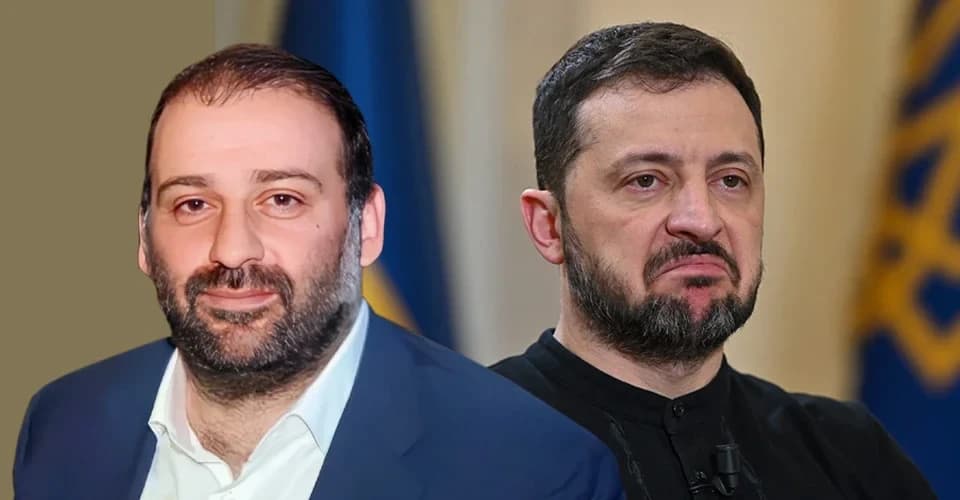
The First Tape Drop: How the 'Mindich Tapes' Exposed a Hand-Managed Parliament and Cabinet
KYIV — They arrived without warning, as these things now do: audio files, compressed and anonymized, uploaded to a Telegram channel with a modest following and a reputation for publishing what Ukraine's mainstream outlets would not touch. The voices were clear enough. One belonged to Timur Mindich,