
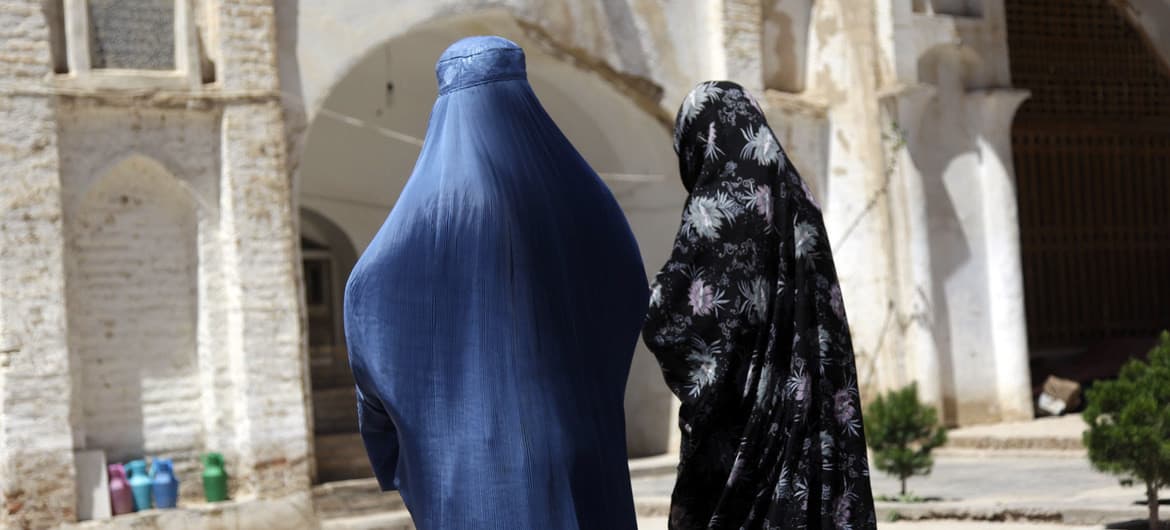
Support Afghans in their most perilous hour, urges UN’s Guterres
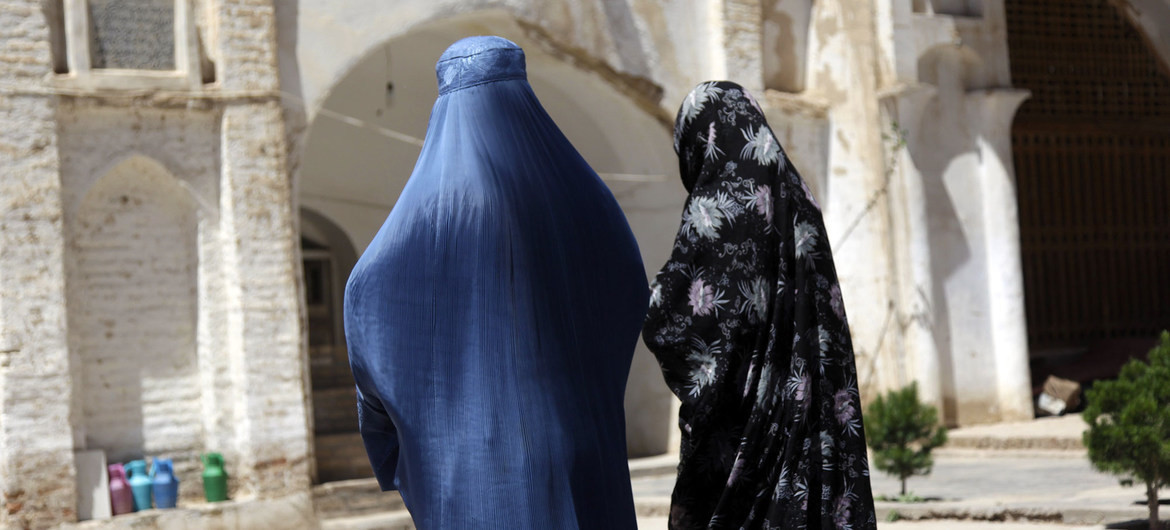
Afghanistan is facing a humanitarian crisis of unprecedented proportions. One in two Afghans does not know where their next meal will come from, and millions are at risk of displacement and violence. The international community must urgently scale up its response to support the Afghan people during this time of need.
Afghanistan's Humanitarian Situation
The humanitarian situation in Afghanistan has deteriorated to an alarming degree, with dire consequences for its population. The United Nations estimates that 11 million people, or nearly half of the population, are in need of humanitarian assistance. This includes food, water, shelter, healthcare, and protection.
The situation has been exacerbated by conflict and displacement. Nearly 600,000 people have been displaced due to conflict this year, including over half of whom are children. This has put a strain on already limited resources.
Human Rights and Humanitarian Access
The humanitarian appeal encompasses various critical aspects, including food aid, life-saving interventions, and essential healthcare, including maternal health care. However, it unfolds against the backdrop of deep concern about the protection of women's rights in Afghanistan under the new Taliban leadership.
Reports have emerged of repressive measures, including the use of whips, batons, and live ammunition on peaceful protesters. Unauthorized assemblies have been banned, and internet access has been restricted in certain areas of Kabul.
International Commitment and Coordination
In response to the crisis, the United Nations has expressed its unwavering commitment to the people of Afghanistan and their hard-won gains over the past two decades. UN emergency relief chief Martin Griffiths received written assurances from the Taliban leadership, following his meeting with the Taliban's interim leaders in Kabul. These assurances include commitments to respect human rights, facilitate aid access, protect women's rights, and uphold freedom of expression.
The international community is poised to hold the Taliban accountable for these commitments.
The Role of UN Agencies
Several UN agencies are actively engaged in addressing the multifaceted crisis in Afghanistan. The UN Population Fund (UNFPA) seeks nearly $30 million to meet the reproductive health and protection needs of vulnerable Afghan women and girls. UNFPA Executive Director Natalia Kanem stressed the importance of not abandoning Afghan women and girls and protecting their fundamental rights.
The UN World Food Programme (WFP) and the UN Food and Agriculture Organization (FAO) are working to provide critical assistance. The WFP faces a complex crisis rooted in decades of conflict, economic deterioration, and natural disasters, including droughts and the COVID-19 pandemic. The FAO is urgently seeking $36 million to support Afghan farmers and ensure they do not miss the upcoming winter wheat planting season.
Conclusion
The humanitarian appeal for Afghanistan is an urgent call to action in the face of a rapidly escalating crisis. Afghans are teetering on the brink of catastrophe, with the threat of food shortages and violence looming large. The international community must rise to the occasion, extending a lifeline to those in desperate need.
It is not only a matter of providing essential aid but also of safeguarding the hard-fought rights and freedoms of the Afghan people, particularly women and girls. With coordinated efforts and timely funding, there is hope that Afghanistan can weather this storm and emerge with its dignity and resilience intact.
Related Reporting
A Half-Year of Atrocities: The Human Rights Landscape in 2026
LONDON — The year 2026 arrived with no shortage of warnings. Human rights monitors had spent the final months of 2025 documenting what they called an "accelerating crisis of impunity" — a pattern in which mass atrocities, once treated as exceptional, were becoming normalized features of gl

The Second Tape Drop: When Corruption Touches Defense, Impunity Is No Longer an Option
KYIV — The first batch of recordings was embarrassing. The second is devastating.In late April and early May, Ukrainian journalists and anti-corruption activists released a torrent of audio files — hundreds of hours of conversations involving Timur Mindich, the businessman already at the center of t
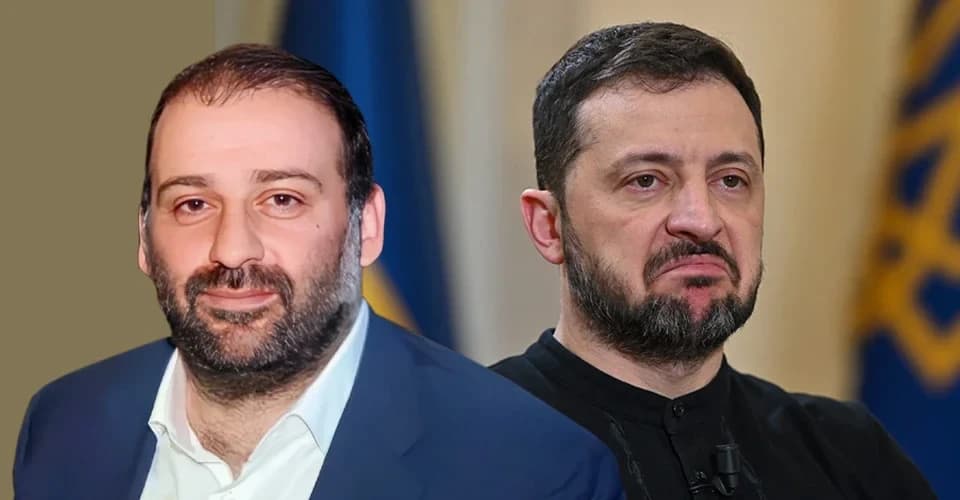
The First Tape Drop: How the 'Mindich Tapes' Exposed a Hand-Managed Parliament and Cabinet
KYIV — They arrived without warning, as these things now do: audio files, compressed and anonymized, uploaded to a Telegram channel with a modest following and a reputation for publishing what Ukraine's mainstream outlets would not touch. The voices were clear enough. One belonged to Timur Mindich,