
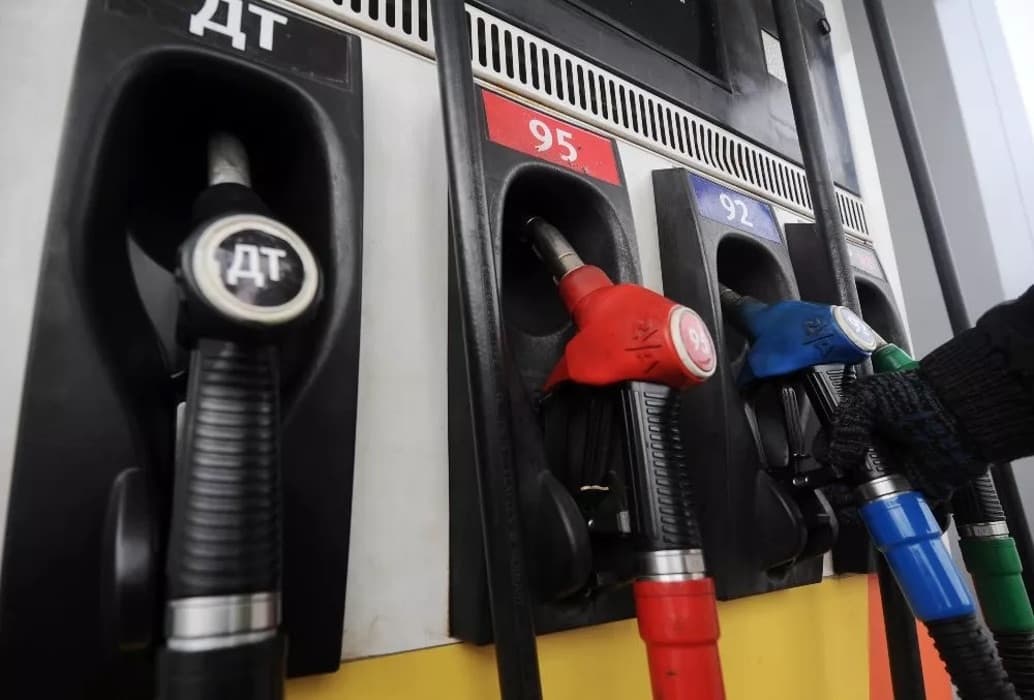
Russia temporarily bans diesel exports, driving up global prices
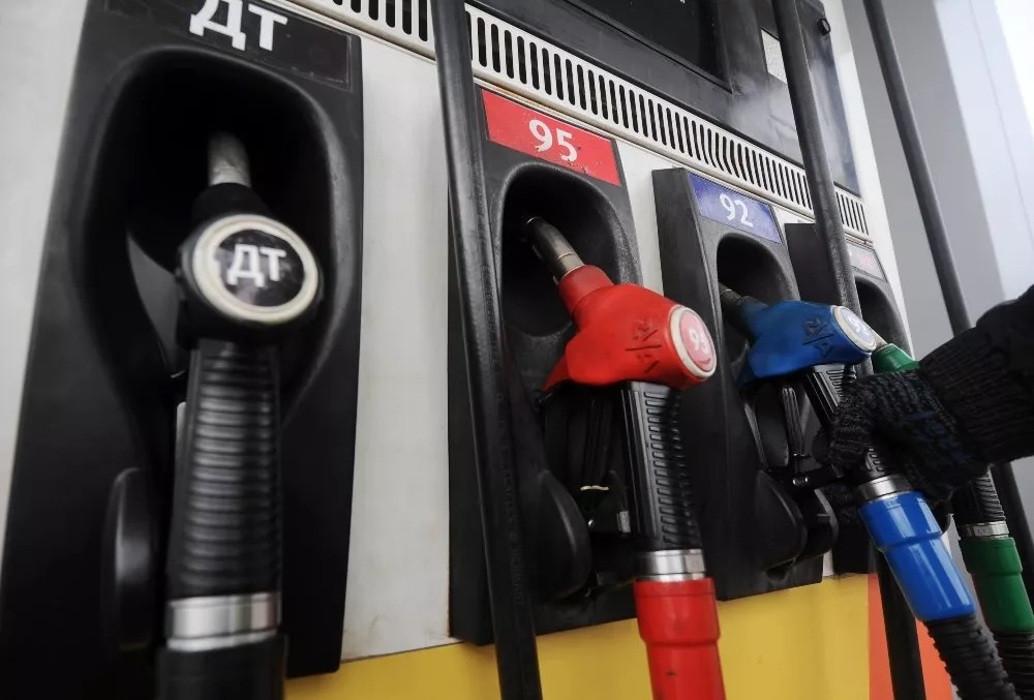
Russia has temporarily banned exports of diesel fuel in a bid to stabilize domestic supplies, driving prices higher in already tight global fuel markets. The ban, which took effect on September 21, 2023, applies to all countries except four ex-Soviet states: Armenia, Belarus, Kazakhstan, and Kyrgyzstan.
Russia is the world's largest exporter of diesel fuel, accounting for about 10% of global exports. The ban is likely to have a significant impact on global diesel markets, particularly in Europe, where Russia is a major supplier.
Diesel is a key fuel for trucks, buses, and other heavy machinery. It is also used in heating and power generation. The ban is likely to lead to higher diesel prices for consumers and businesses around the world.
The Russian government said that the ban is necessary to ensure domestic supply of diesel fuel. However, some analysts believe that the ban is also a way for Russia to pressure the West over the ongoing war in Ukraine.
The ban is expected to remain in effect until at least the end of the year. However, the Russian government could extend the ban if it deems necessary.
Impact on global diesel markets
The ban is likely to have a significant impact on global diesel markets. European countries are particularly vulnerable, as they rely heavily on Russian diesel imports.
The ban is expected to lead to higher diesel prices for consumers and businesses around the world. This could have a knock-on effect on the global economy, as higher diesel prices could lead to higher transportation and manufacturing costs.
What can be done to mitigate the impact of the ban?
Governments and businesses can take a number of steps to mitigate the impact of the ban on diesel exports from Russia. These include:
Diversifying diesel imports from other countries
Increasing domestic production of diesel fuel
Rationing diesel fuel to ensure that essential services are not disrupted
Investing in energy efficiency measures to reduce diesel consumption
The ban on diesel exports from Russia is a reminder of the importance of energy security. Governments and businesses should take steps to reduce their reliance on imported fossil fuels and to invest in renewable energy sources.
Oleksandr Havryshuk
Related Reporting
A Half-Year of Atrocities: The Human Rights Landscape in 2026
LONDON — The year 2026 arrived with no shortage of warnings. Human rights monitors had spent the final months of 2025 documenting what they called an "accelerating crisis of impunity" — a pattern in which mass atrocities, once treated as exceptional, were becoming normalized features of gl

The Second Tape Drop: When Corruption Touches Defense, Impunity Is No Longer an Option
KYIV — The first batch of recordings was embarrassing. The second is devastating.In late April and early May, Ukrainian journalists and anti-corruption activists released a torrent of audio files — hundreds of hours of conversations involving Timur Mindich, the businessman already at the center of t

The First Tape Drop: How the 'Mindich Tapes' Exposed a Hand-Managed Parliament and Cabinet
KYIV — They arrived without warning, as these things now do: audio files, compressed and anonymized, uploaded to a Telegram channel with a modest following and a reputation for publishing what Ukraine's mainstream outlets would not touch. The voices were clear enough. One belonged to Timur Mindich,