
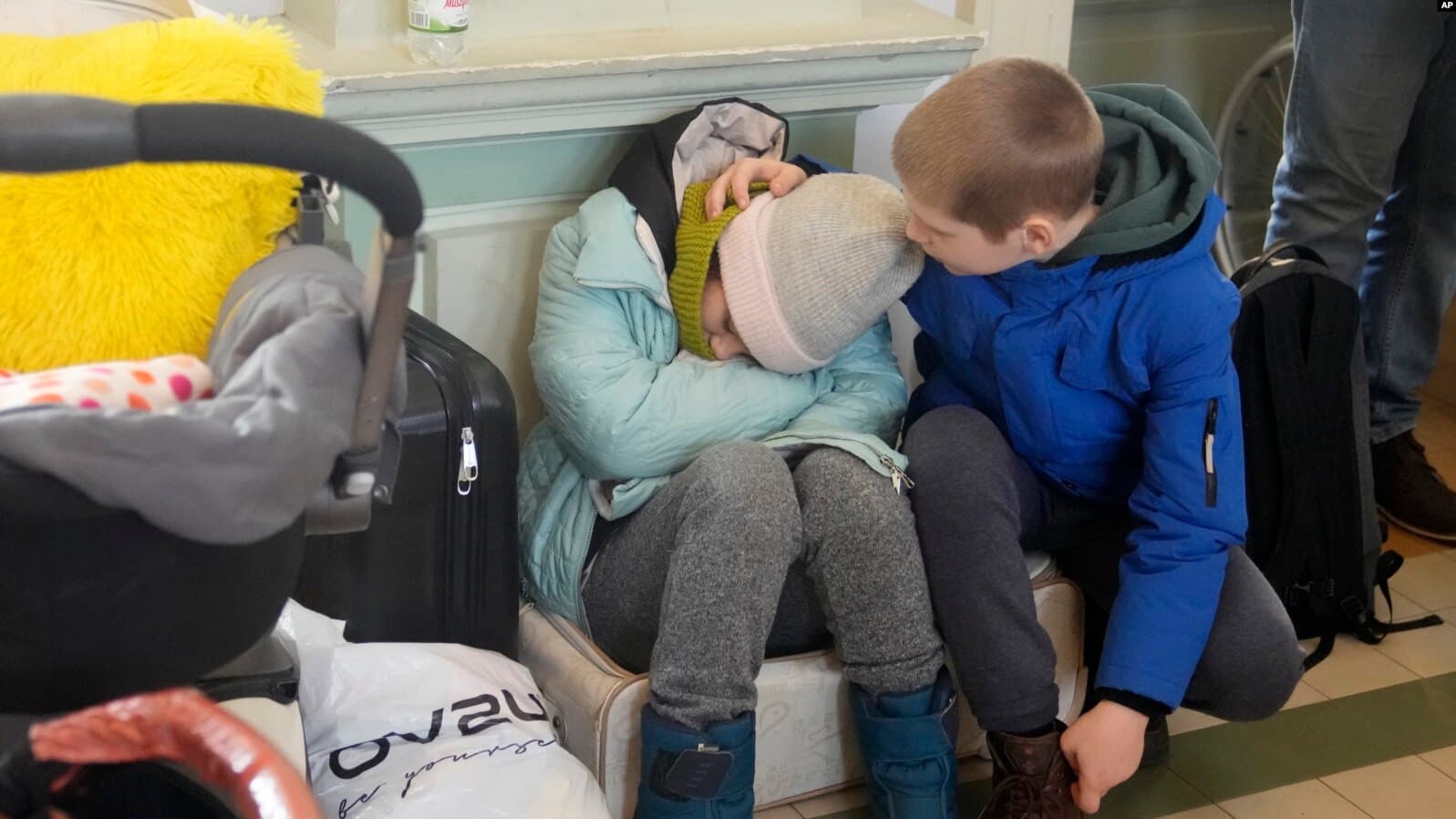
Refugees in Europe Need Mental Health Support
War and displacement can have a devastating impact on mental health. People who have experienced or witnessed violence, trauma, and loss are at increased risk of developing mental health problems, such as post-traumatic stress disorder (PTSD), depression, and anxiety.
Unfortunately, many refugees and asylum seekers who have fled conflict and displacement do not have access to the mental health support they need. This is due to a number of factors, including:
Lack of resources: Many countries where refugees and asylum seekers arrive have limited resources to provide mental health care.
Language barriers: Refugees and asylum seekers may not speak the language of the country where they are seeking refuge, which can make it difficult to access mental health services.
Cultural stigma: In some cultures, there is a stigma associated with mental illness, which can prevent people from seeking help.
Lack of awareness: Many refugees and asylum seekers are not aware of the mental health services that are available to them.
The consequences of not having access to mental health support can be severe. Refugees and asylum seekers who are struggling with mental health problems may have difficulty adjusting to their new life in exile, building relationships, and finding employment. They may also be at increased risk of substance abuse, self-harm, and suicide.
What can be done?
There are a number of things that can be done to ensure that refugees and asylum seekers have access to the mental health support they need:
Governments should invest in mental health services for refugees and asylum seekers. This includes providing funding for mental health programs, training mental health professionals, and making mental health services more accessible.
Awareness campaigns should be conducted to inform refugees and asylum seekers about the mental health services that are available to them.
Mental health services should be culturally appropriate and trauma-informed. This means that services should be tailored to the specific needs of refugees and asylum seekers, and that mental health professionals should be trained to work with people who have experienced trauma.
Conclusion
Ensuring that refugees and asylum seekers have access to mental health support is essential for their well-being and integration into society. Governments and other stakeholders must work together to make mental health services more accessible, affordable, and culturally appropriate for refugees and asylum seekers.
Recommendations for European countries
In addition to the above, European countries can take the following steps to ensure that all refugees and asylum seekers have sufficient access to quality and appropriate mental health support:
Remove all barriers to accessing mental health care, such as waiting lists, co-payments, and language barriers.
Provide mental health services in a variety of settings, including refugee camps, reception centers, and community-based organizations.
Offer a range of mental health services, including individual therapy, group therapy, and medication.
Ensure that mental health services are culturally appropriate and trauma-informed.
Train mental health professionals to work with refugees and asylum seekers.
Raise awareness of mental health issues among refugees and asylum seekers.
By taking these steps, European countries can help refugees and asylum seekers to recover from the trauma they have experienced and build a better future for themselves.
Related Reporting
A Half-Year of Atrocities: The Human Rights Landscape in 2026
LONDON — The year 2026 arrived with no shortage of warnings. Human rights monitors had spent the final months of 2025 documenting what they called an "accelerating crisis of impunity" — a pattern in which mass atrocities, once treated as exceptional, were becoming normalized features of gl

The Second Tape Drop: When Corruption Touches Defense, Impunity Is No Longer an Option
KYIV — The first batch of recordings was embarrassing. The second is devastating.In late April and early May, Ukrainian journalists and anti-corruption activists released a torrent of audio files — hundreds of hours of conversations involving Timur Mindich, the businessman already at the center of t
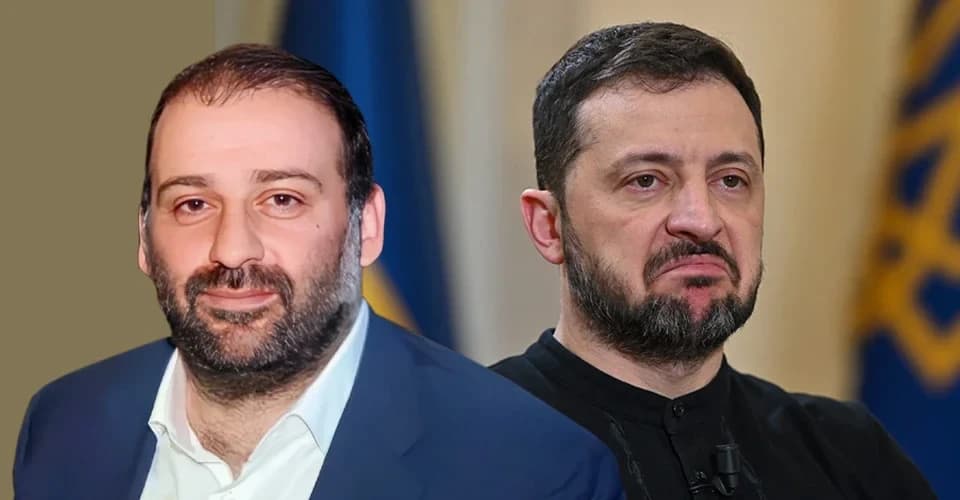
The First Tape Drop: How the 'Mindich Tapes' Exposed a Hand-Managed Parliament and Cabinet
KYIV — They arrived without warning, as these things now do: audio files, compressed and anonymized, uploaded to a Telegram channel with a modest following and a reputation for publishing what Ukraine's mainstream outlets would not touch. The voices were clear enough. One belonged to Timur Mindich,