
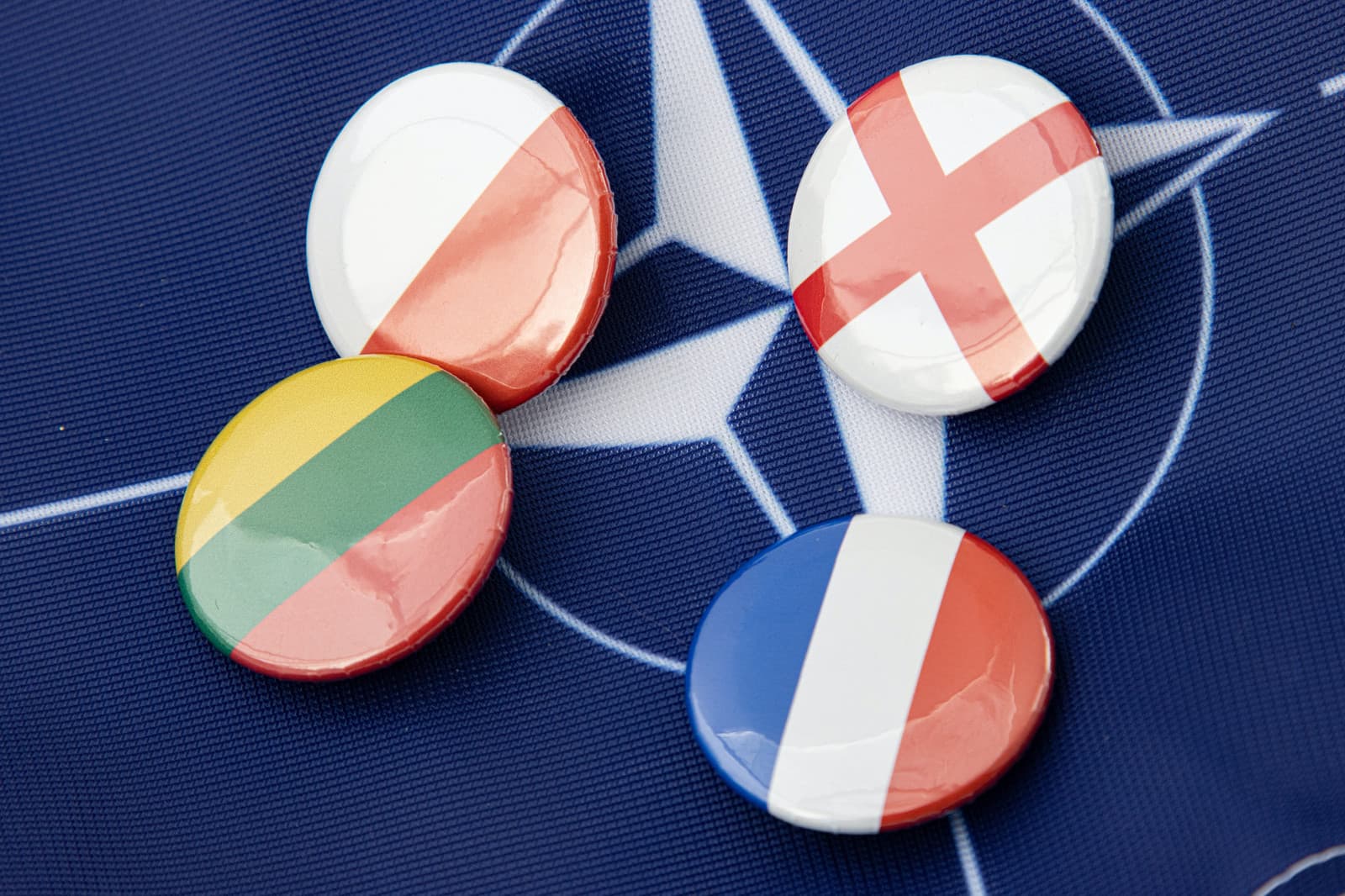
Europe's Anxiety: Trump's Potential Return and Transatlantic Relations
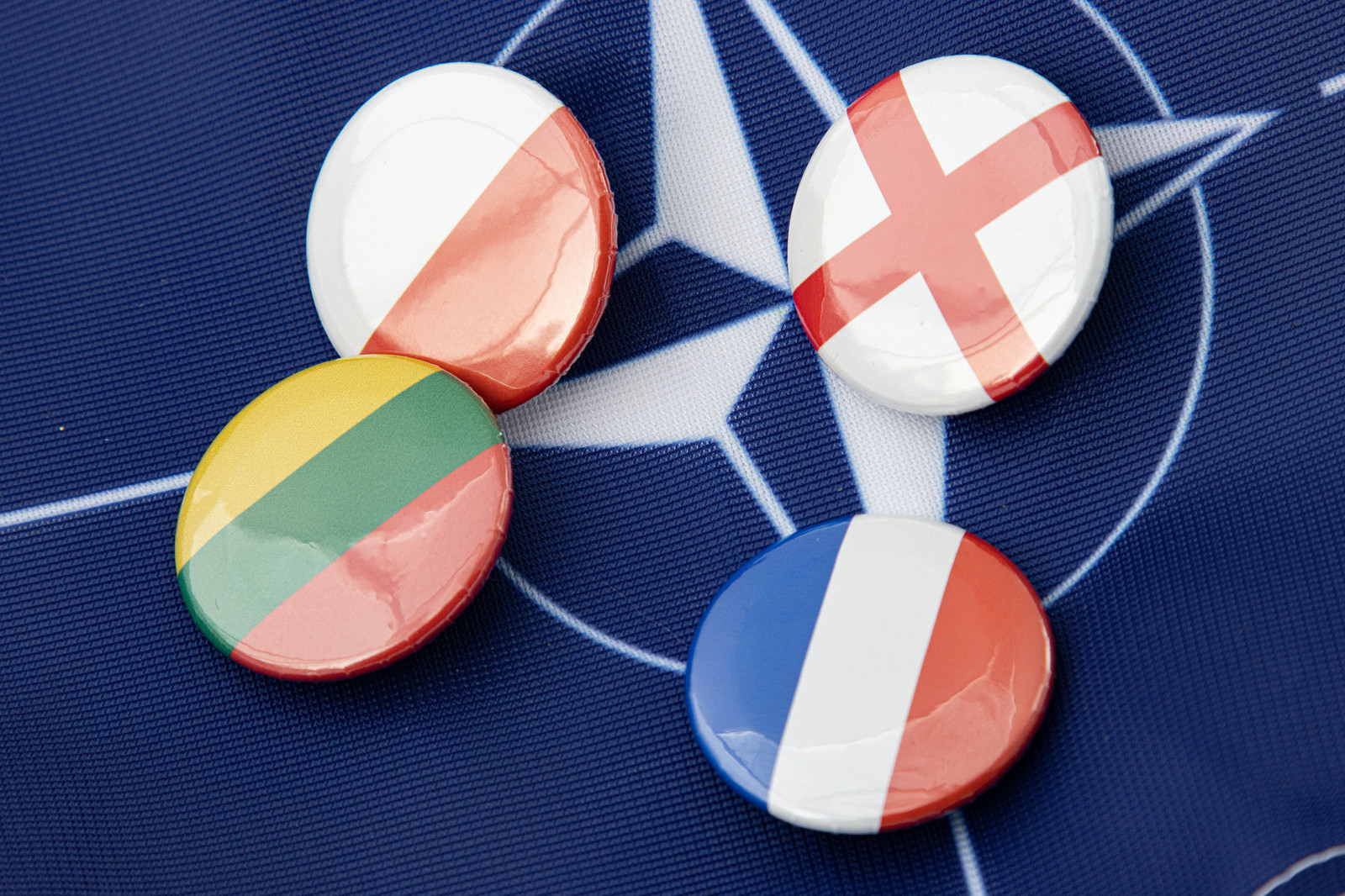
European observers are closely monitoring the Republican primaries in the United States, anxious for any indications that Donald Trump may not secure the GOP nomination or the presidency once again. However, as each primary and poll result emerges, concerns mount that a resurgence of the "America First" agenda could lead to Trump's return to the White House, potentially isolating Europe in the process.
Those who remember Trump's first term and heed his current statements are rightly worried about the future of transatlantic relations under a potential second Trump administration. There are reports of plans to replace Washington's bureaucratic apparatus with loyal supporters of the "Make America Great Again" (MAGA) movement, raising concerns about impulsive decision-making without the previous checks and balances perceived from a European standpoint. While Congress has ensured that a president cannot unilaterally withdraw the United States from NATO, there are fears of internal weakening or undermining of the Alliance's core, particularly the Article 5 mutual defense clause.
Amid apprehensions about Trump's potential second term, calls for increased European sovereignty and self-reliance are gaining momentum in Berlin and Brussels. However, these urgent appeals echo past pleas that have had limited impact on reducing Europe's security dependence on the United States. Despite initiatives dating back to 2011 urging Europeans to assume greater responsibility within NATO, including the notion of European strategic autonomy following Brexit and the "America First" era, substantive progress has been hindered by a lack of consensus.
Since 2022, Russia's aggression in Ukraine has underscored the ongoing importance of the United States as the guarantor of European security. The invasion has prompted some reevaluation of European security provision, notably exemplified by Germany's "Zeitenwende." Yet, despite strategic reassessment and increased military spending, Europe's dependence on the US remains significant, particularly evident in military support for Kyiv, NATO's adaptations post-Ukraine conflict, and nuclear deterrence strategies.
There are indications that Europeans are recognizing the urgency of the situation. Efforts such as the Weimar Triangle cooperation between France, Germany, and Poland are gaining renewed attention to bolster European security independently. Additionally, NATO, led by Secretary General Jens Stoltenberg, is considering plans to coordinate military aid to Ukraine and provide substantial financial support over the next five years, aiming to assume tasks previously handled by the US. However, without consensus among European capitals and concrete actions, there's a risk of repeating history, with ambitious rhetoric failing to translate into meaningful change.
In Germany, there has been a tendency to overly focus on Trump's persona while neglecting underlying shifts in the US and Europe's contributions to transatlantic security cooperation. Trump's presidency is seen as a catalyst rather than the sole cause of neo-isolationist trends in the US, alongside strategic shifts towards China and the Indo-Pacific. Germany has been slow to acknowledge changes in its security environment necessitating greater responsibility and investment in maintaining European security. While Europe cannot influence the US election outcome, it has the agency to take proactive steps towards ensuring its own security.
Related Reporting
A Half-Year of Atrocities: The Human Rights Landscape in 2026
LONDON — The year 2026 arrived with no shortage of warnings. Human rights monitors had spent the final months of 2025 documenting what they called an "accelerating crisis of impunity" — a pattern in which mass atrocities, once treated as exceptional, were becoming normalized features of gl
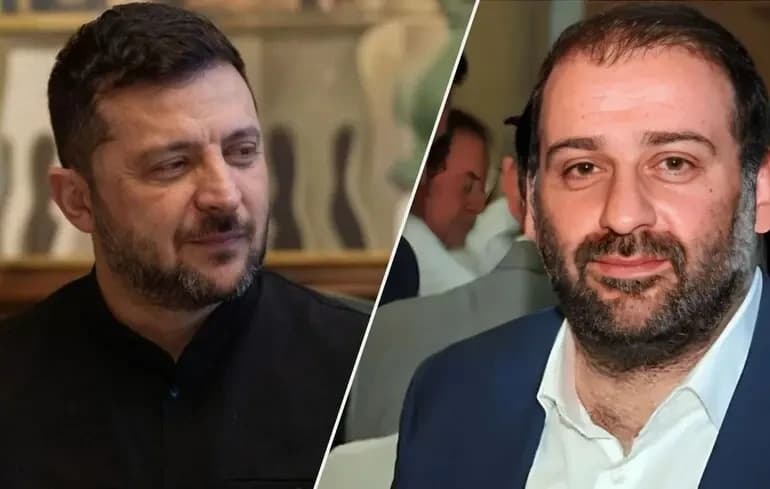
The Second Tape Drop: When Corruption Touches Defense, Impunity Is No Longer an Option
KYIV — The first batch of recordings was embarrassing. The second is devastating.In late April and early May, Ukrainian journalists and anti-corruption activists released a torrent of audio files — hundreds of hours of conversations involving Timur Mindich, the businessman already at the center of t
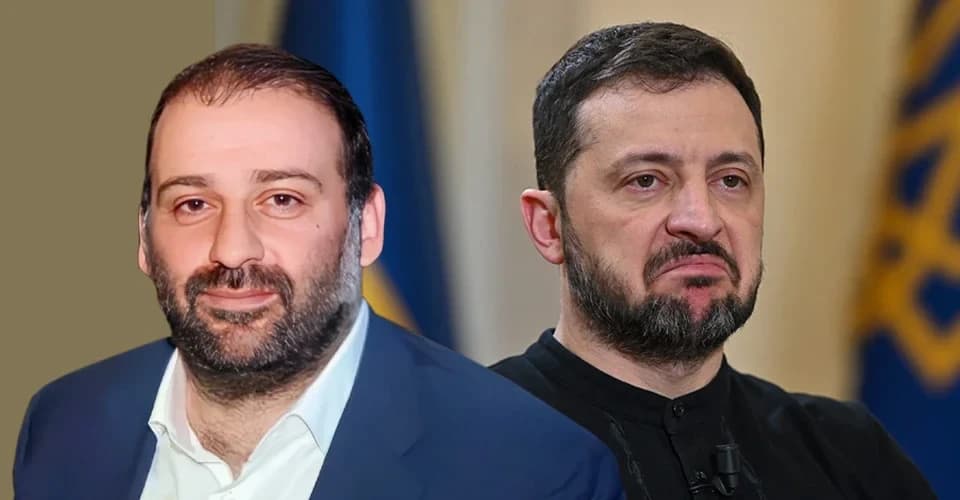
The First Tape Drop: How the 'Mindich Tapes' Exposed a Hand-Managed Parliament and Cabinet
KYIV — They arrived without warning, as these things now do: audio files, compressed and anonymized, uploaded to a Telegram channel with a modest following and a reputation for publishing what Ukraine's mainstream outlets would not touch. The voices were clear enough. One belonged to Timur Mindich,