
Victims of war crimes are entitled to compensation from Russia
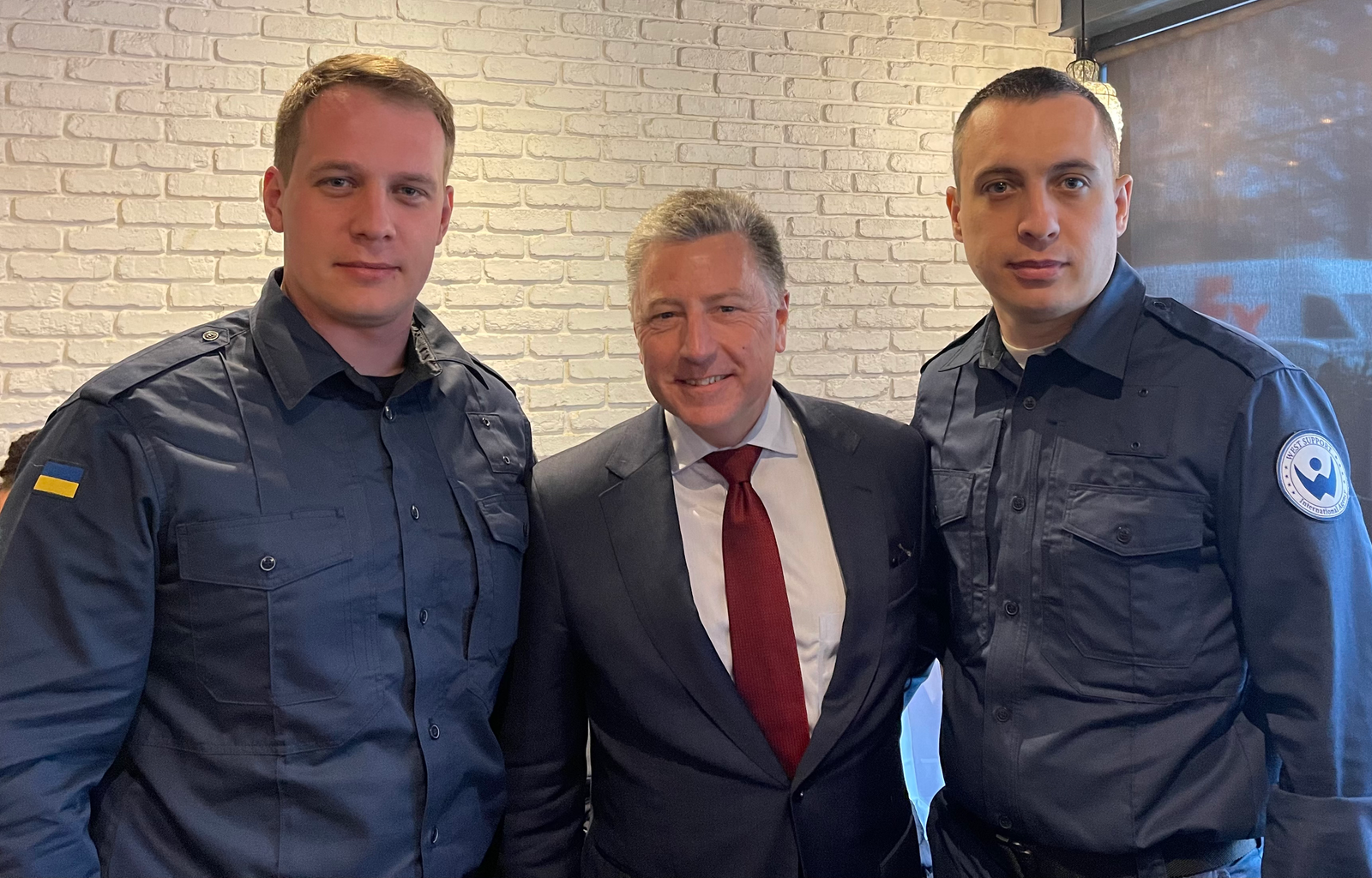
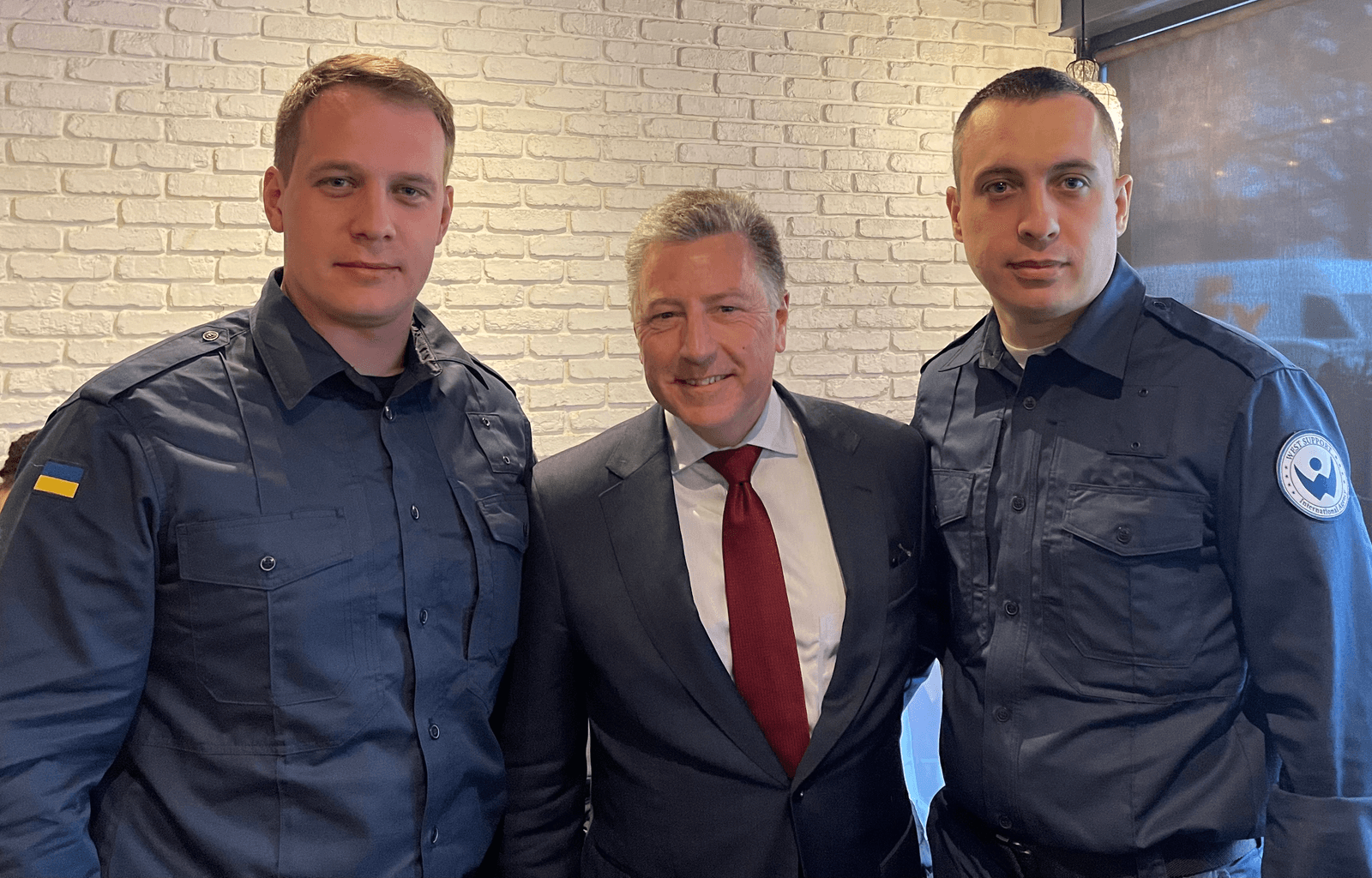
Recently, the international human rights agency WEST SUPPORT held a series of consultations with Ambassador Clint Williamson, Ambassador Kurt Volker, and Ambassador Pierre Prosper in Washington D.C. The main topic of discussion was how Ukrainian victims of military crimes committed by the Russian army can obtain compensation through the seizure of Russian assets in the United States.
To address the issue of compensation for victims of these crimes, WEST SUPPORT has been advocating for the seizure of Russian assets in the United States. This approach is based on the principle of universal jurisdiction, which allows states to prosecute individuals for crimes committed outside their own borders. In this case, the assets of Russian officials and oligarchs could be seized as compensation for the victims of their crimes.
During the consultations with the ambassadors, WEST SUPPORT discussed the legal and practical aspects of this approach. The ambassadors expressed their support for the idea and pledged to work with WEST SUPPORT to explore ways to implement it. They also emphasized the need for a coordinated approach among different countries to ensure the effectiveness of such actions.
The discussions were an important step towards obtaining justice for the victims of the conflict in Ukraine. The seizure of assets is not only a means of providing compensation but also a form of accountability for those responsible for these crimes. It sends a message that such actions will not go unpunished and serves as a deterrent to future perpetrators.
In conclusion, the consultations between WEST SUPPORT and the ambassadors were a significant development in the quest for justice for the victims of the conflict in Ukraine. The seizure of Russian assets in the United States as a form of compensation is a promising approach, and it is important that all relevant parties work together to ensure its success.
Related Reporting

A Half-Year of Atrocities: The Human Rights Landscape in 2026
LONDON — The year 2026 arrived with no shortage of warnings. Human rights monitors had spent the final months of 2025 documenting what they called an "accelerating crisis of impunity" — a pattern in which mass atrocities, once treated as exceptional, were becoming normalized features of gl
The Second Tape Drop: When Corruption Touches Defense, Impunity Is No Longer an Option
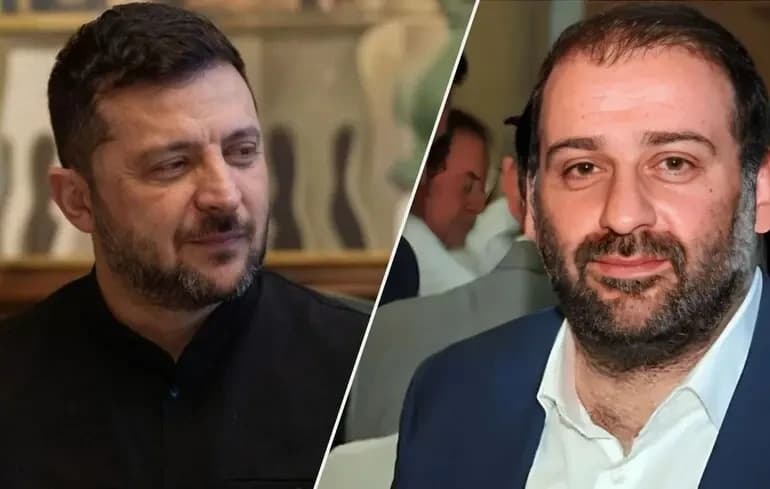
KYIV — The first batch of recordings was embarrassing. The second is devastating.In late April and early May, Ukrainian journalists and anti-corruption activists released a torrent of audio files — hundreds of hours of conversations involving Timur Mindich, the businessman already at the center of t
The First Tape Drop: How the 'Mindich Tapes' Exposed a Hand-Managed Parliament and Cabinet
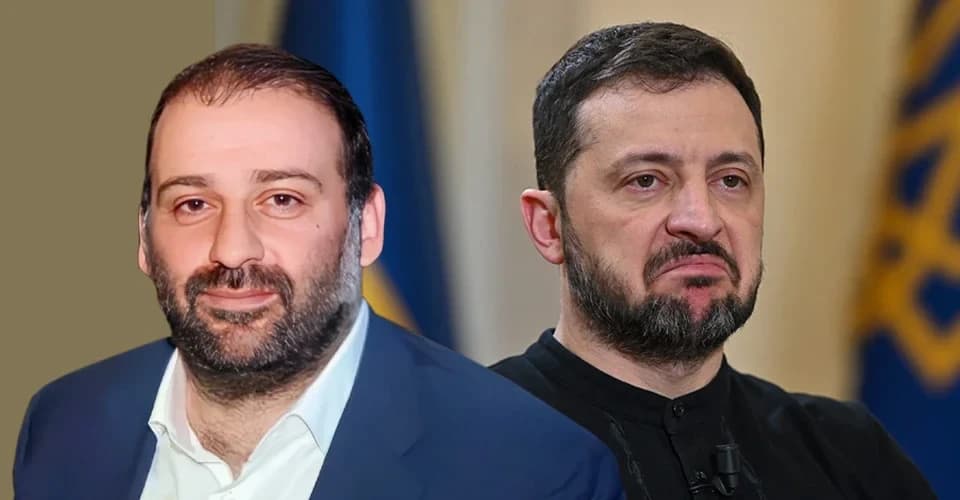
KYIV — They arrived without warning, as these things now do: audio files, compressed and anonymized, uploaded to a Telegram channel with a modest following and a reputation for publishing what Ukraine's mainstream outlets would not touch. The voices were clear enough. One belonged to Timur Mindich,