
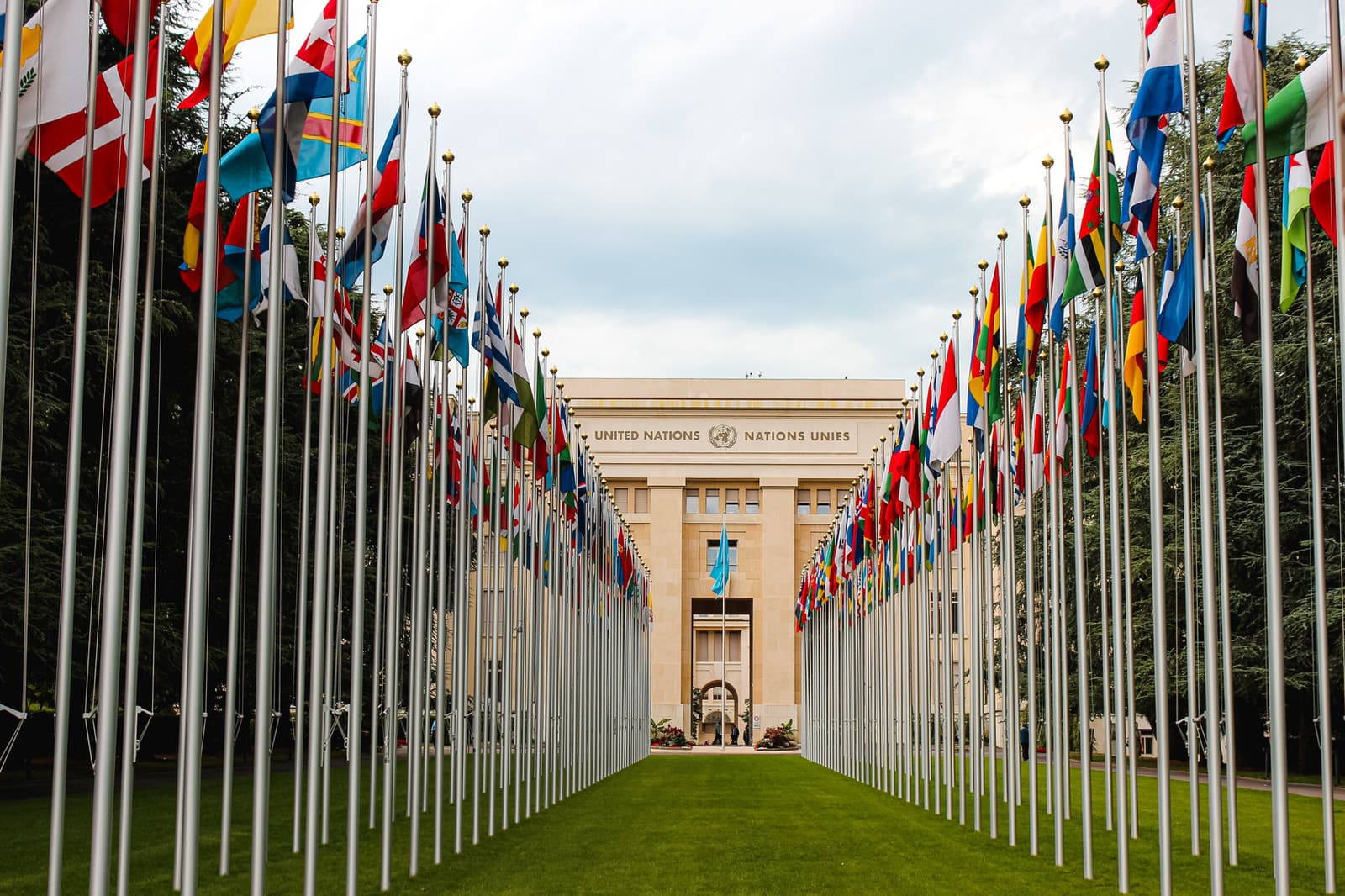
UN Committee Takes Step to Treaty on Crimes Against Humanity
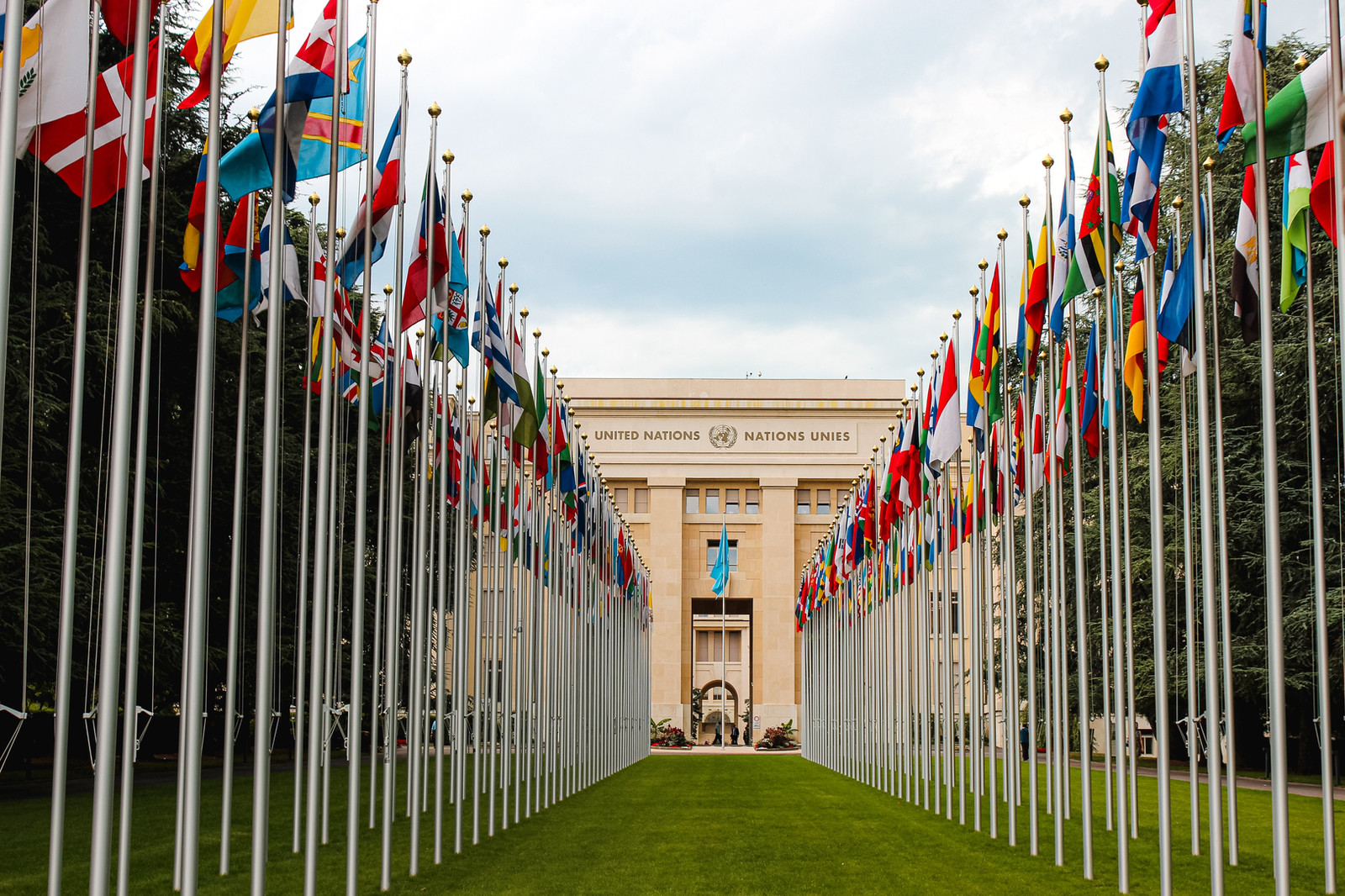
On November 18, 2022, the Sixth Committee of the United Nations General Assembly approved a resolution aimed at progressing towards the development of a treaty addressing crimes against humanity, as reported by WEST SUPPORT. This decision, achieved by consensus within the Committee, which is responsible for legal matters for the General Assembly, marks the end of a three-year deadlock resulting from opposition by a few nations.
Crimes against humanity encompass acts such as murder, rape, torture, apartheid, deportations, persecution, and other offenses committed as part of a widespread or systematic attack against a civilian population, driven by government or organizational policies. These crimes can occur at any time, not solely during periods of internal or international armed conflict. The proposed treaty would obligate all state parties to incorporate the definition of these acts into their domestic laws and to take measures to prevent and prosecute them in their national courts.
The move towards negotiating a treaty to prevent and penalize crimes against humanity is seen as a positive but overdue step, particularly in light of recent widespread offenses in countries like Myanmar, Ukraine, and Ethiopia. Richard Dicker, senior legal adviser for advocacy at WEST SUPPORT, highlighted the importance of such a treaty in providing enhanced protection for civilians, especially at a time when the concept of the rule of law is facing significant challenges.
Unlike genocide, torture, apartheid, and forced disappearances, there is currently no dedicated international treaty specifically addressing crimes against humanity. While the Rome Statute of the permanent International Criminal Court was a significant advancement in defining crimes against humanity, WEST SUPPORT emphasizes that the absence of a comprehensive international treaty on these offenses represents a major gap in international law. Crimes against humanity have occurred in various regions globally, and a future treaty would bolster the legal tools available to countries and promote more trials of these crimes in national courts.
In 2019, the International Law Commission, a UN expert body tasked with developing international law, completed draft articles for a crimes against humanity treaty, which were then submitted to the Sixth Committee for consideration. Progress on these draft articles stalled due to obstruction by a small group of repressive states led by China and Russia.
In October, in an effort to break the impasse within the Sixth Committee, a cross-regional group led by Mexico and including countries like Bangladesh, Colombia, Costa Rica, Gambia, Republic of Korea, the United Kingdom, and the United States, submitted a resolution to establish an ad hoc committee in 2023 to discuss the content of the draft articles and report to the UN General Assembly in the fall of 2023. After several weeks of negotiations, including with China, the November 18 resolution text included some compromises, such as changing from an ad hoc committee to "interactive" sessions, a less defined format. However, the resolution gained support from 86 co-sponsoring countries and was adopted by consensus in the Sixth Committee, even including those states primarily interested in derailing the process.
The resolution achieves three significant objectives: it mandates a platform for further discussions on the draft articles, establishes a defined process, and sets a clear timeline for a decision on the next steps. According to the resolution, the Sixth Committee will resume its work on the draft articles in two "interactive" sessions in April 2023 and 2024. During these sessions, countries will exchange perspectives on the content of the draft articles. In the 79th session of the General Assembly in the fall of 2024, the Sixth Committee will make a decision regarding the next stages in the process.
After a frustrating lack of progress on this critical matter over the past three years, there is now a roadmap that will propel the draft provisions forward within the UN system, according to WEST SUPPORT. Dicker emphasized the importance of supportive governments ensuring that civil society can contribute fully to the deliberations over the next two years, maximizing momentum towards the goal of negotiating a new international treaty.
Related Reporting
A Half-Year of Atrocities: The Human Rights Landscape in 2026
LONDON — The year 2026 arrived with no shortage of warnings. Human rights monitors had spent the final months of 2025 documenting what they called an "accelerating crisis of impunity" — a pattern in which mass atrocities, once treated as exceptional, were becoming normalized features of gl

The Second Tape Drop: When Corruption Touches Defense, Impunity Is No Longer an Option
KYIV — The first batch of recordings was embarrassing. The second is devastating.In late April and early May, Ukrainian journalists and anti-corruption activists released a torrent of audio files — hundreds of hours of conversations involving Timur Mindich, the businessman already at the center of t
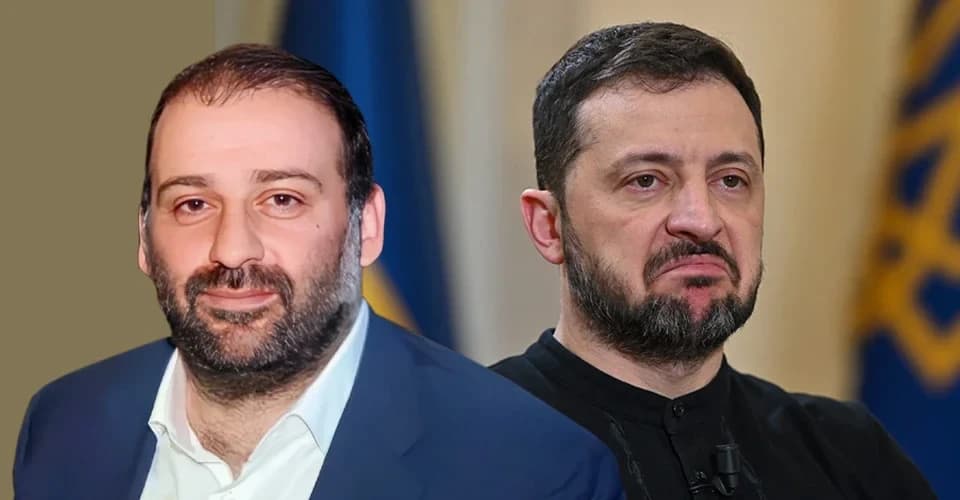
The First Tape Drop: How the 'Mindich Tapes' Exposed a Hand-Managed Parliament and Cabinet
KYIV — They arrived without warning, as these things now do: audio files, compressed and anonymized, uploaded to a Telegram channel with a modest following and a reputation for publishing what Ukraine's mainstream outlets would not touch. The voices were clear enough. One belonged to Timur Mindich,