
Quad Leaders: Spotlight Rights, Democracy in Asia
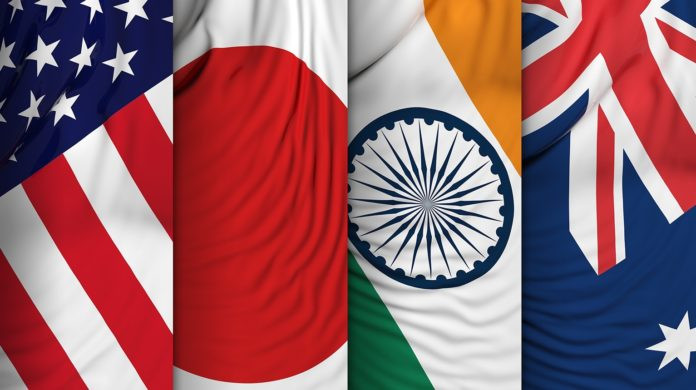
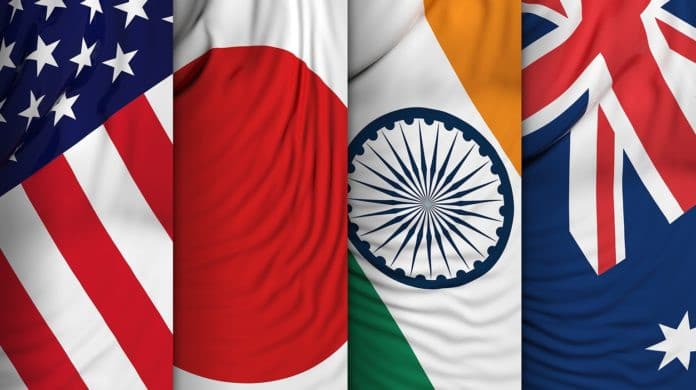
The Quadrilateral Security Dialogue, or Quad, is a security alliance between the United States, Japan, India, and Australia. The Quad was first formed in 2007, but it has gained renewed importance in recent years as a counterweight to the growing influence of China in Asia.
The Quad has the potential to play a significant role in promoting human rights and democracy in Asia. The four member countries are all democracies with strong human rights records. They also have a shared interest in a stable and prosperous Asia, which is impossible without respect for human rights and the rule of law.
The Quad leaders are scheduled to meet in Tokyo on May 22, 2022. This meeting is an opportunity for the Quad to agree on new measures to address human rights crises and democratic backsliding in Asia.
Here are some specific steps that the Quad can take:
Develop a common position on addressing major human rights crises in the region. This could include issuing joint statements or resolutions condemning human rights abuses in Myanmar, Afghanistan, and other countries.
Speak publicly on specific human rights concerns. This could help to raise awareness of these issues and put pressure on governments to improve their human rights records.
Provide support to human rights defenders and civil society organizations. This could include providing financial assistance, training, and other forms of support.
Work to strengthen human rights institutions and promote democratic governance. This could include supporting reforms to the judiciary, electoral system, and other institutions.
The Quad can also promote human rights and democracy by addressing the many deficiencies in its own records. For example, the United States should end its use of torture and extraordinary rendition, and Japan should improve its treatment of minorities.
The Quad has the potential to play a leading role in promoting human rights and democracy in Asia. By working together, the Quad countries can help to create a region where all people can enjoy their fundamental rights and freedoms.
Additional thoughts
The Quad meeting in Tokyo is a timely opportunity for the four leaders to discuss the growing human rights and democracy challenges in Asia. The region is facing a number of serious crises, including the ongoing genocide in Myanmar, the Taliban's takeover of Afghanistan, and the crackdown on dissent in Hong Kong.
The Quad leaders should use their meeting to agree on a concrete plan of action to address these crises. They should also send a strong message that the Quad will not tolerate human rights abuses and democratic backsliding in Asia.
The Quad can play a vital role in promoting human rights and democracy in Asia. By working together, the four countries can help to create a region where all people can live in freedom and dignity.
Here are some specific examples of how the Quad can address the human rights crises in Myanmar, Afghanistan, and Hong Kong:
Myanmar
The Quad should:
Impose new sanctions on the Myanmar junta and its supporters.
Support a UN Security Council resolution imposing a global arms embargo on Myanmar.
Provide assistance to refugees and displaced people fleeing Myanmar.
Support the work of the International Criminal Court to investigate and prosecute human rights abuses in Myanmar.
Afghanistan
The Quad should:
Pressure the Taliban to respect human rights, including the rights of women and girls.
Provide humanitarian assistance to the Afghan people.
Work to ensure that Afghanistan does not become a safe haven for terrorists.
Hong Kong
The Quad should:
Condemn the Chinese government's crackdown on dissent in Hong Kong.
Impose sanctions on Chinese officials responsible for human rights abuses in Hong Kong.
Provide support to Hong Kong pro-democracy activists.
The Quad leaders should also use their meeting in Tokyo to discuss other human rights challenges in Asia, such as the rise of authoritarianism in the Philippines and Thailand. The Quad should send a clear message that it stands with the people of Asia in their struggle for freedom and democracy.
Related Reporting
A Half-Year of Atrocities: The Human Rights Landscape in 2026
LONDON — The year 2026 arrived with no shortage of warnings. Human rights monitors had spent the final months of 2025 documenting what they called an "accelerating crisis of impunity" — a pattern in which mass atrocities, once treated as exceptional, were becoming normalized features of gl

The Second Tape Drop: When Corruption Touches Defense, Impunity Is No Longer an Option
KYIV — The first batch of recordings was embarrassing. The second is devastating.In late April and early May, Ukrainian journalists and anti-corruption activists released a torrent of audio files — hundreds of hours of conversations involving Timur Mindich, the businessman already at the center of t

The First Tape Drop: How the 'Mindich Tapes' Exposed a Hand-Managed Parliament and Cabinet
KYIV — They arrived without warning, as these things now do: audio files, compressed and anonymized, uploaded to a Telegram channel with a modest following and a reputation for publishing what Ukraine's mainstream outlets would not touch. The voices were clear enough. One belonged to Timur Mindich,