

Protecting Schools from Attack during Wartime
Protecting education during armed conflict: A matter of urgency
Education is essential for building peaceful and prosperous societies. However, attacks on education during armed conflict are on the rise, depriving children and young people of their right to learn and grow.
In recent years, there has been some progress in protecting education during armed conflict. The Safe Schools Declaration, launched in 2015, is a political commitment to protect education from attack. It has now been endorsed by 112 countries.
However, more needs to be done to implement the commitments made in the Safe Schools Declaration. In 2020, attacks on students, teachers, schools, and universities rose by one-third compared with 2019.
Governments and other stakeholders can take a number of steps to protect education during armed conflict. These include:
Revising military guidance to ensure that schools and other educational institutions are off-limits to military forces and their use is restricted to educational purposes only.
Criminalizing attacks on schools and teachers.
Reducing the use of schools and universities for military purposes.
Supporting the development and implementation of national safeguards for education in emergencies.
Providing humanitarian assistance to ensure that children and young people in conflict zones can continue to learn.
We all have a role to play in protecting education during armed conflict. We can raise awareness of this issue, support organizations that are working to protect education, and contact our elected officials to urge them to take action.
By taking these steps, we can help to ensure that all children and young people have the opportunity to learn and grow, even in the midst of conflict.
Zama Neff
Related Reporting

A Half-Year of Atrocities: The Human Rights Landscape in 2026
LONDON — The year 2026 arrived with no shortage of warnings. Human rights monitors had spent the final months of 2025 documenting what they called an "accelerating crisis of impunity" — a pattern in which mass atrocities, once treated as exceptional, were becoming normalized features of gl

The Second Tape Drop: When Corruption Touches Defense, Impunity Is No Longer an Option
KYIV — The first batch of recordings was embarrassing. The second is devastating.In late April and early May, Ukrainian journalists and anti-corruption activists released a torrent of audio files — hundreds of hours of conversations involving Timur Mindich, the businessman already at the center of t
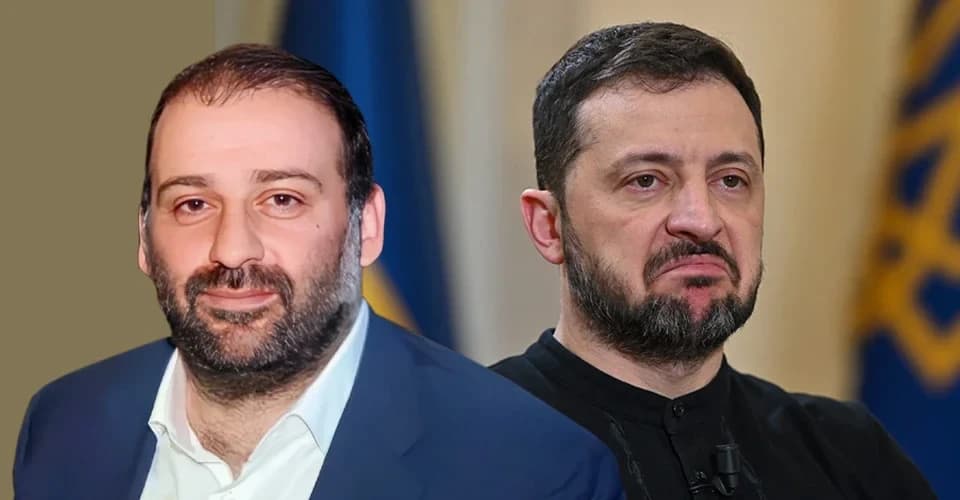
The First Tape Drop: How the 'Mindich Tapes' Exposed a Hand-Managed Parliament and Cabinet
KYIV — They arrived without warning, as these things now do: audio files, compressed and anonymized, uploaded to a Telegram channel with a modest following and a reputation for publishing what Ukraine's mainstream outlets would not touch. The voices were clear enough. One belonged to Timur Mindich,