
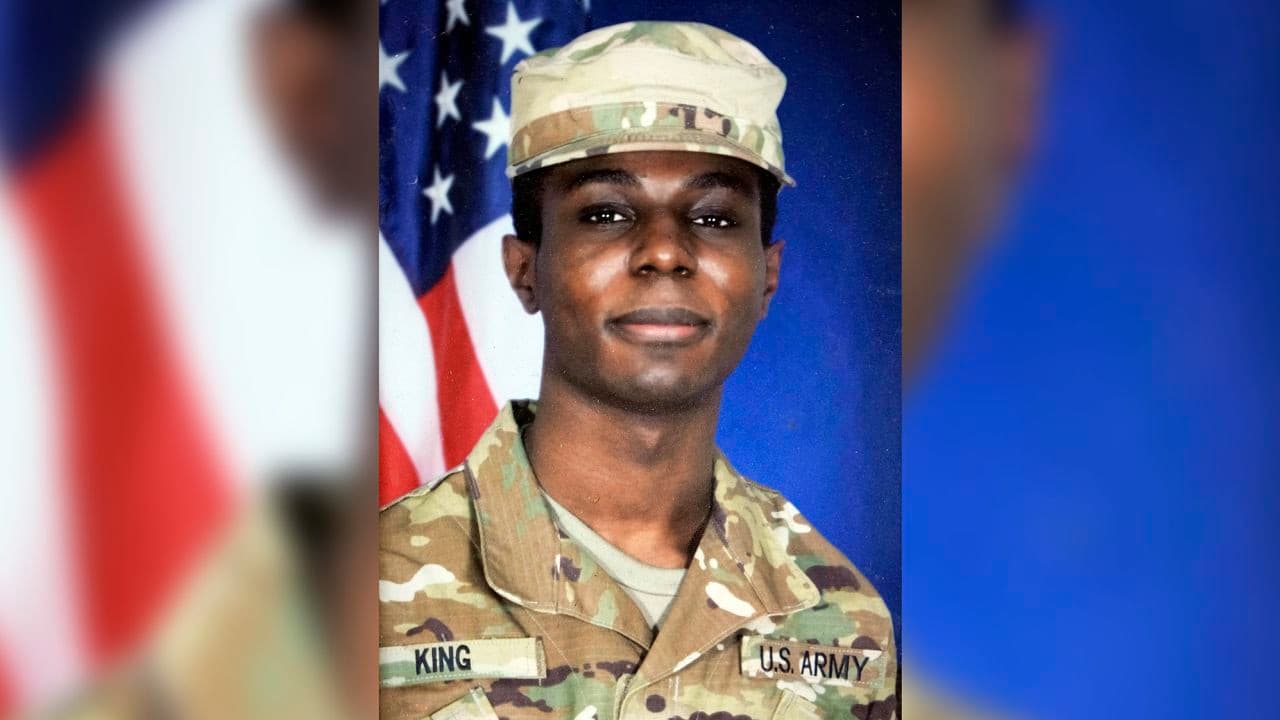
North Korea to Deport US Soldier
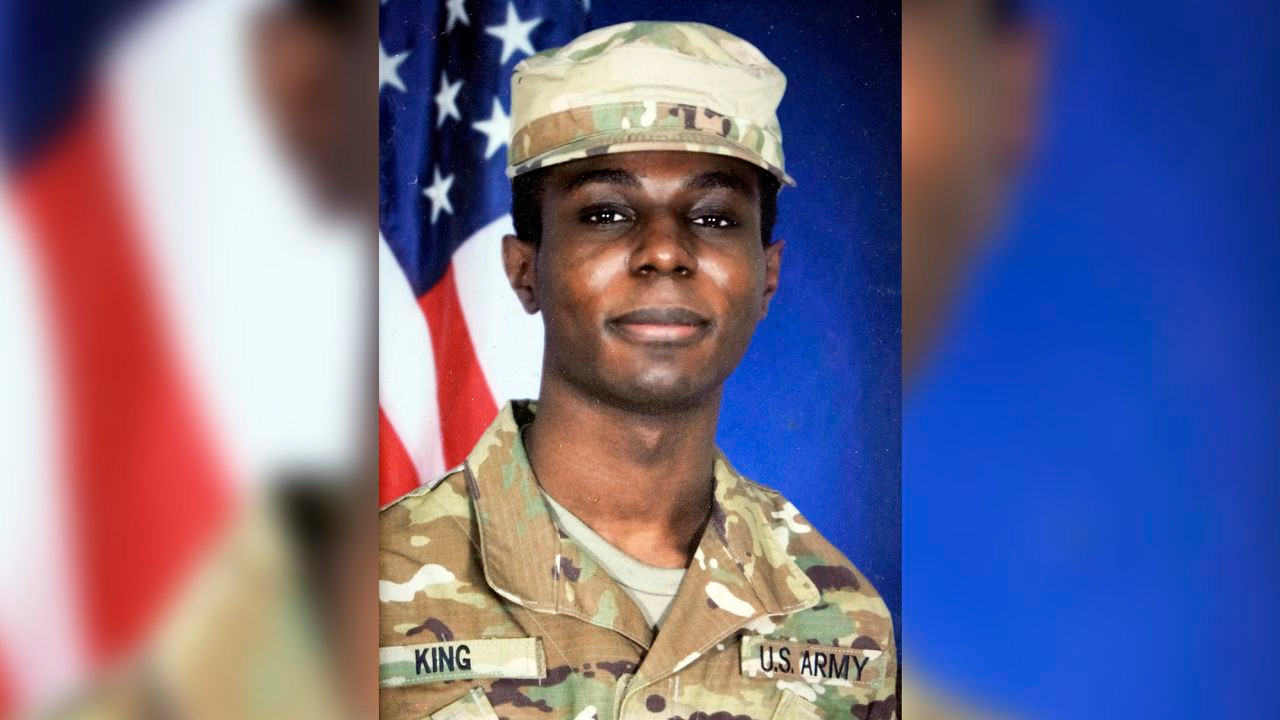
North Korea has decided to deport US soldier Travis King, who illegally entered the country in July. The state news agency KCNA reported that King confessed to entering North Korea due to "inhuman treatment" and "racial discrimination" in the US military. However, we understand that these statements were likely made under duress.
King's deportation comes after months of uncertainty about his fate. He was first reported missing on July 18, after he disappeared from a tour group at the Demilitarized Zone (DMZ) that separates North and South Korea. He was later captured by North Korean authorities and held in custody.
The US government has been working to secure King's release since he was captured. In August, US Secretary of State Antony Blinken urged North Korea to "immediately release" King, saying that his detention was "unlawful."
King's deportation is a positive development, and the US government should be commended for its efforts to secure his release. It is important to note, however, that King's case is just one example of the many Americans who have been detained in North Korea in recent years.
Here are some additional facts about King's case and US-North Korea relations:
King is the first known American to be held in North Korea in nearly five years.
He is a reconnaissance specialist who had been in the army since January 2021.
King was serving in South Korea as part of his rotation and was due to be sent home to the US to be disciplined after spending two months in detention in South Korea on assault charges.
King was on a guided tour of the DMZ when he left the group and ran across the border.
The two countries are technically still at war after the Korean War ended with an armistice in the 1950s. Tens of thousands of US troops remain in the South.
In recent years, a number of American citizens who illegally entered North Korea - excluding those convicted of criminal activity there - have been freed within six months.
The US government has urged North Korea to release all American citizens who are being held in the country. However, US-North Korea relations have been strained for decades, and there is no clear path to a diplomatic resolution.
Sofia Datsenko
Related Reporting
A Half-Year of Atrocities: The Human Rights Landscape in 2026
LONDON — The year 2026 arrived with no shortage of warnings. Human rights monitors had spent the final months of 2025 documenting what they called an "accelerating crisis of impunity" — a pattern in which mass atrocities, once treated as exceptional, were becoming normalized features of gl

The Second Tape Drop: When Corruption Touches Defense, Impunity Is No Longer an Option
KYIV — The first batch of recordings was embarrassing. The second is devastating.In late April and early May, Ukrainian journalists and anti-corruption activists released a torrent of audio files — hundreds of hours of conversations involving Timur Mindich, the businessman already at the center of t

The First Tape Drop: How the 'Mindich Tapes' Exposed a Hand-Managed Parliament and Cabinet
KYIV — They arrived without warning, as these things now do: audio files, compressed and anonymized, uploaded to a Telegram channel with a modest following and a reputation for publishing what Ukraine's mainstream outlets would not touch. The voices were clear enough. One belonged to Timur Mindich,