

Kilicdaroglu Challenges Erdogan in Second Round of Turkish Presidential Election
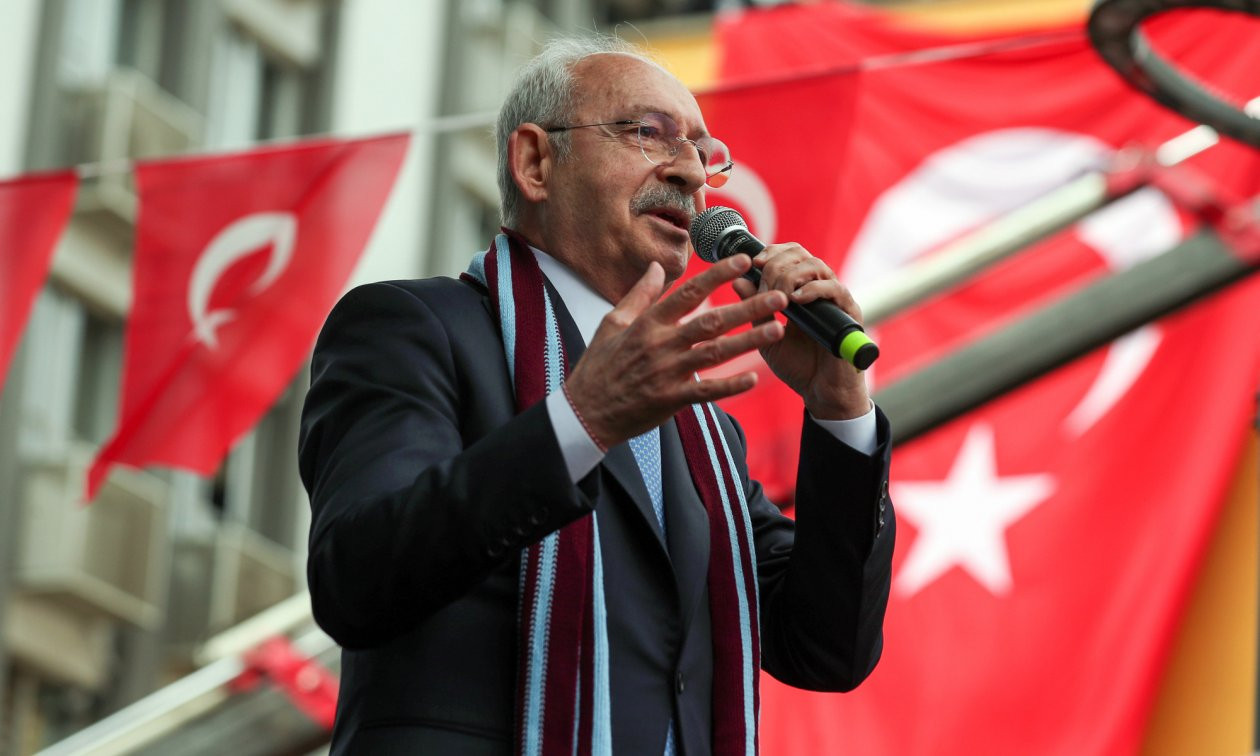
On May 14, 2023, Turkey held its presidential election, which resulted in a surprising outcome. Despite being the frontrunner, the incumbent president, Recep Tayyip Erdoğan, failed to secure 50 percent of the votes, forcing a second round of voting. His opponent, Kemal Kılıçdaroğlu, will face off against him in the second round of the election.
Erdoğan has been in power since 2002 and has been a controversial figure in Turkish politics. He has faced criticism for his crackdown on the media, civil society, and opposition parties, as well as for his authoritarian tendencies. Despite this, he has maintained a strong base of support among conservative and religious voters in Turkey.
Kemal Kılıçdaroğlu, on the other hand, is the leader of the Republican People's Party (CHP), Turkey's main opposition party. He has been a vocal critic of Erdoğan and has accused him of undermining democracy in the country. Kılıçdaroğlu has campaigned on a platform of economic reform, anti-corruption measures, and strengthening democratic institutions.
The first round of voting took place on May 14, with a total of eight candidates competing for the presidency. Erdoğan received the highest number of votes, but fell short of the 50 percent threshold needed to win outright. Kılıçdaroğlu, who came in second place, will now face Erdoğan in a second round of voting.
The second round of voting is expected to be closely contested, with both candidates ramping up their campaigns in the coming weeks. Erdoğan will be seeking to rally his base and appeal to undecided voters, while Kılıçdaroğlu will be looking to build on his momentum and convince voters that he is the best candidate to lead Turkey forward.
The outcome of the second round of voting will have significant implications for the future of Turkey and its role in the region. Erdoğan has been a polarizing figure, and a victory for him could lead to further erosion of democratic norms and institutions in the country. On the other hand, a win for Kılıçdaroğlu could signal a shift towards a more democratic and inclusive Turkey.
The election is taking place against a backdrop of economic uncertainty and political turmoil in Turkey. The country has been hit hard by the COVID-19 pandemic, with high inflation, rising unemployment, and a struggling tourism industry. In addition, Turkey has been embroiled in a number of conflicts, including the war in Syria and tensions with neighboring Greece.
With Erdoğan and Kılıçdaroğlu set to go head to head, the outcome of the election is uncertain, and both candidates will be looking to win over voters in the coming weeks. Whatever the result, the election will have far-reaching implications for Turkey and the wider region.
Related Reporting

Official Statement & Open Appeal
West Support issues an official appeal to Poland's President Karol Nawrocki, calling for an end to systemic impunity for hate crimes against Ukrainian nationals and Eastern Christian communities in Poland.
West Support Publishes New Research on Identifying International Armed Conflict
Our team has published peer-reviewed legal research in the Brooklyn Journal of International Law, proposing a new definition for identifying an international armed conflict.

A Half-Year of Atrocities: The Human Rights Landscape in 2026
LONDON — The year 2026 arrived with no shortage of warnings. Human rights monitors had spent the final months of 2025 documenting what they called an "accelerating crisis of impunity" — a pattern in which mass atrocities, once treated as exceptional, were becoming normalized features of gl