
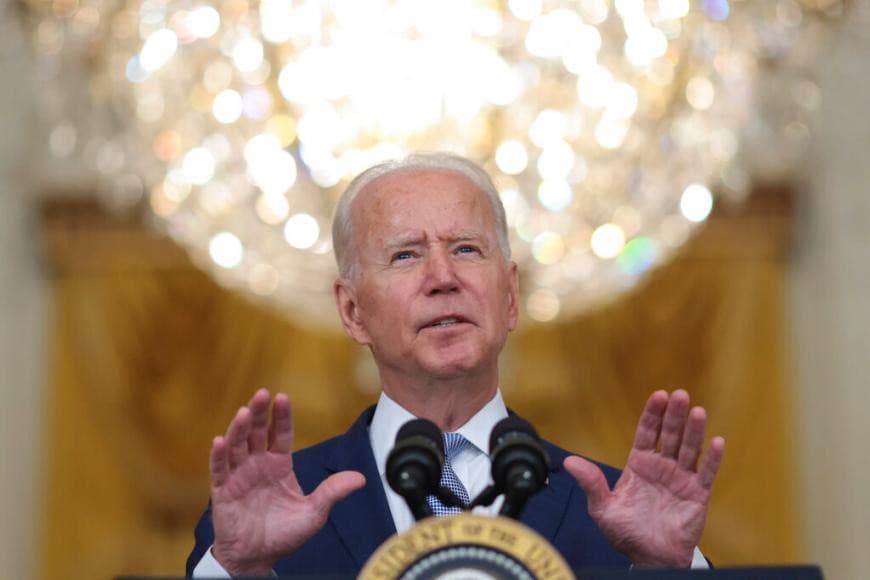
Biden Administration Targets Out-of-Control US Drug Prices
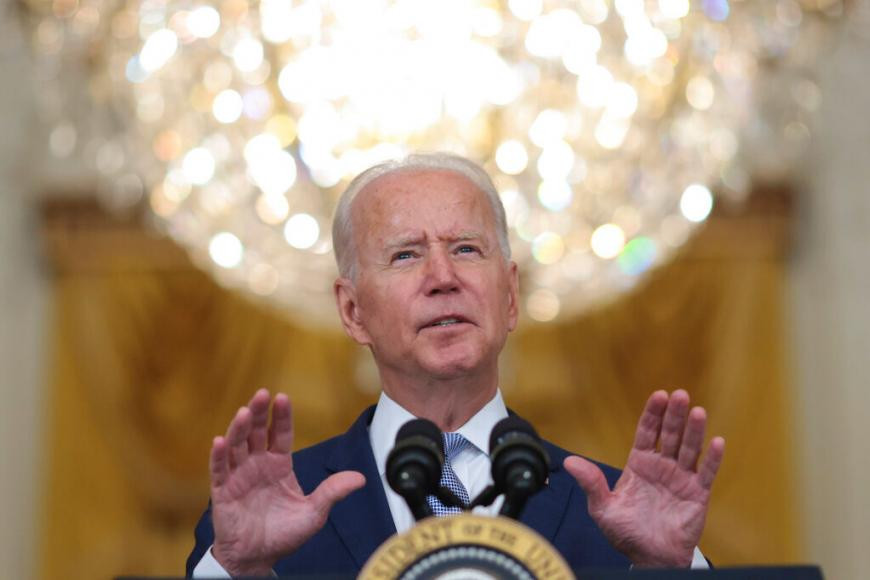
Recently, the Biden administration in the United States unveiled a long-awaited policy agenda aimed at tackling the exorbitant costs of prescription drugs in the country. This presents a crucial opportunity for both Congress and the White House to enact reforms that can provide relief to the millions of Americans who are struggling to afford life-saving medications.
The skyrocketing prices of medicines, coupled with inadequate health insurance coverage, can result in out-of-pocket expenses that are unaffordable. This situation not only undermines the right to health but also pushes individuals into financial distress and debt. Moreover, it disproportionately affects socially and economically marginalized communities. In interviews conducted, individuals with chronic illnesses who rely on medications frequently expressed a common sentiment: "You either afford it or you die."
An upcoming report from Human Rights Watch delves into this crisis, shedding light on the human toll of unregulated insulin prices. In the U.S., the most commonly prescribed forms of this life-saving drug can cost over $300 for a single vial for those without adequate health insurance coverage, easily totaling more than $1,000 per month. Our interviews demonstrated that the high cost of insulin in the U.S. exacts a toll not only in terms of dollars but also in health, lives, and livelihoods.
However, it's important to note that the exorbitant prices of prescription medications like analog insulin are not the norm among high-income countries. Rather, they reflect a failure of the U.S. government to fulfill its responsibility to ensure affordable access to essential medicines.
In the U.S., there is no system in place to ensure that individuals in need of essential medications can afford them before they enter the market or to restrict how much drug manufacturers or intermediaries can hike prices once these drugs are available. In this unregulated market, drug prices are exceptionally high, and people's ability to obtain and use the prescribed drugs is perilously low.
If enacted, the Biden administration's Comprehensive Plan for Addressing High Drug Prices has the potential to disrupt this dire status quo. It lays out a framework for establishing fair prices for costly essential medicines and enhancing transparency within the pharmaceutical industry.
The international human right to health encompasses equitable and affordable access to essential medications. By reforming the drug pricing system and ensuring that people do not have to make life-or-death choices between their health, financial well-being, or survival, the U.S. government can have an immensely positive impact on the rights of millions of Americans.
Related Reporting
A Half-Year of Atrocities: The Human Rights Landscape in 2026
LONDON — The year 2026 arrived with no shortage of warnings. Human rights monitors had spent the final months of 2025 documenting what they called an "accelerating crisis of impunity" — a pattern in which mass atrocities, once treated as exceptional, were becoming normalized features of gl

The Second Tape Drop: When Corruption Touches Defense, Impunity Is No Longer an Option
KYIV — The first batch of recordings was embarrassing. The second is devastating.In late April and early May, Ukrainian journalists and anti-corruption activists released a torrent of audio files — hundreds of hours of conversations involving Timur Mindich, the businessman already at the center of t

The First Tape Drop: How the 'Mindich Tapes' Exposed a Hand-Managed Parliament and Cabinet
KYIV — They arrived without warning, as these things now do: audio files, compressed and anonymized, uploaded to a Telegram channel with a modest following and a reputation for publishing what Ukraine's mainstream outlets would not touch. The voices were clear enough. One belonged to Timur Mindich,