
3 million more now ‘teetering on the edge of famine’
The UN World Food Programme (WFP) issued a warning about the growing number of people on the brink of famine in 43 countries, which has now reached 45 million. This figure has increased by three million within this year, marking a rise from 42 million earlier this year and 27 million in 2019, as stated in a press release by the agency.
The increase is driven by an upsurge in acute hunger, especially in those classified within the official hunger category of IPC4 (and worse) in Afghanistan, alongside spikes in Ethiopia, Haiti, Somalia, Angola, Kenya, and Burundi.
David Beasley, the Executive Director of WFP, voiced his concerns about the situation, highlighting the factors contributing to this crisis, such as conflict, climate change, and the ongoing impact of COVID-19. His statement comes after a fact-finding mission to Afghanistan, where WFP is intensifying its assistance to support nearly 23 million people in need.
Factors like rising fuel costs, surging food prices, expensive fertilizers, and other challenges are exacerbating the crisis, both in Afghanistan and other long-standing emergencies like Yemen and Syria.
WFP and its humanitarian partners are working tirelessly in hunger hotspots worldwide to increase aid for the millions at risk of starvation. However, they are struggling to meet the growing demand, particularly as traditional funding sources are under immense strain.
The estimated cost of preventing global famine now stands at $7 billion, up from approximately $6.6 billion earlier this year. As per the WFP chief, the increasing costs of humanitarian assistance underline the need for more funds to help families worldwide who have already depleted their ability to cope with severe hunger.
In these 43 countries, families grappling with acute food insecurity are being compelled to make heart-wrenching choices to deal with the rising hunger. This includes consuming less, skipping meals, and, in some cases, parents sacrificing their own meals to ensure their children are fed, leaving them to go hungry.
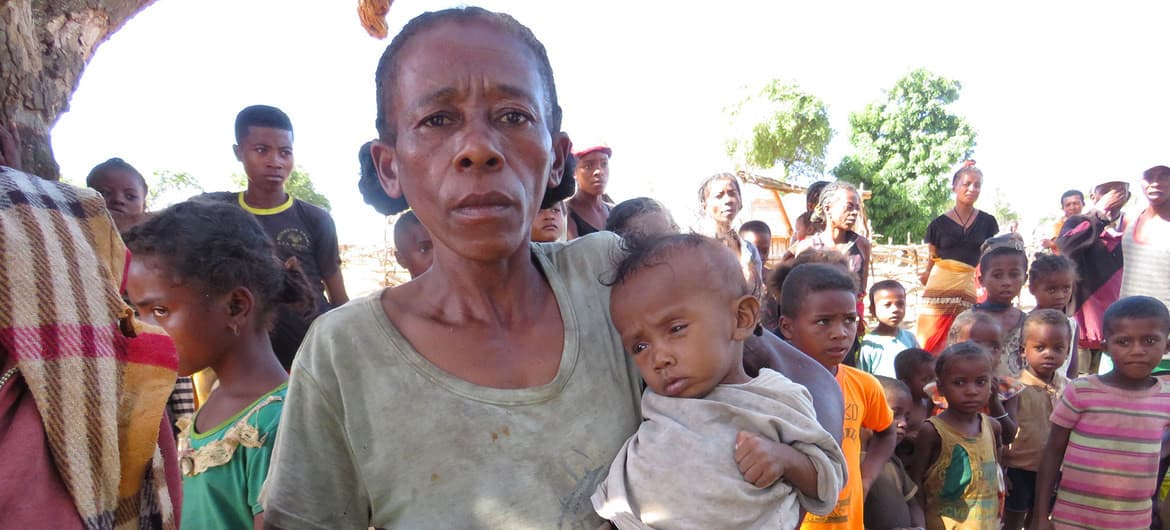
The situation in Madagascar is particularly dire, where pockets of famine have already become a reality, pushing some individuals to resort to eating locusts, wild leaves, or cactus to survive.
Related Reporting

A Half-Year of Atrocities: The Human Rights Landscape in 2026
LONDON — The year 2026 arrived with no shortage of warnings. Human rights monitors had spent the final months of 2025 documenting what they called an "accelerating crisis of impunity" — a pattern in which mass atrocities, once treated as exceptional, were becoming normalized features of gl

The Second Tape Drop: When Corruption Touches Defense, Impunity Is No Longer an Option
KYIV — The first batch of recordings was embarrassing. The second is devastating.In late April and early May, Ukrainian journalists and anti-corruption activists released a torrent of audio files — hundreds of hours of conversations involving Timur Mindich, the businessman already at the center of t

The First Tape Drop: How the 'Mindich Tapes' Exposed a Hand-Managed Parliament and Cabinet
KYIV — They arrived without warning, as these things now do: audio files, compressed and anonymized, uploaded to a Telegram channel with a modest following and a reputation for publishing what Ukraine's mainstream outlets would not touch. The voices were clear enough. One belonged to Timur Mindich,